Protein Without Powders: How to Meet Your Protein Requirements Naturally
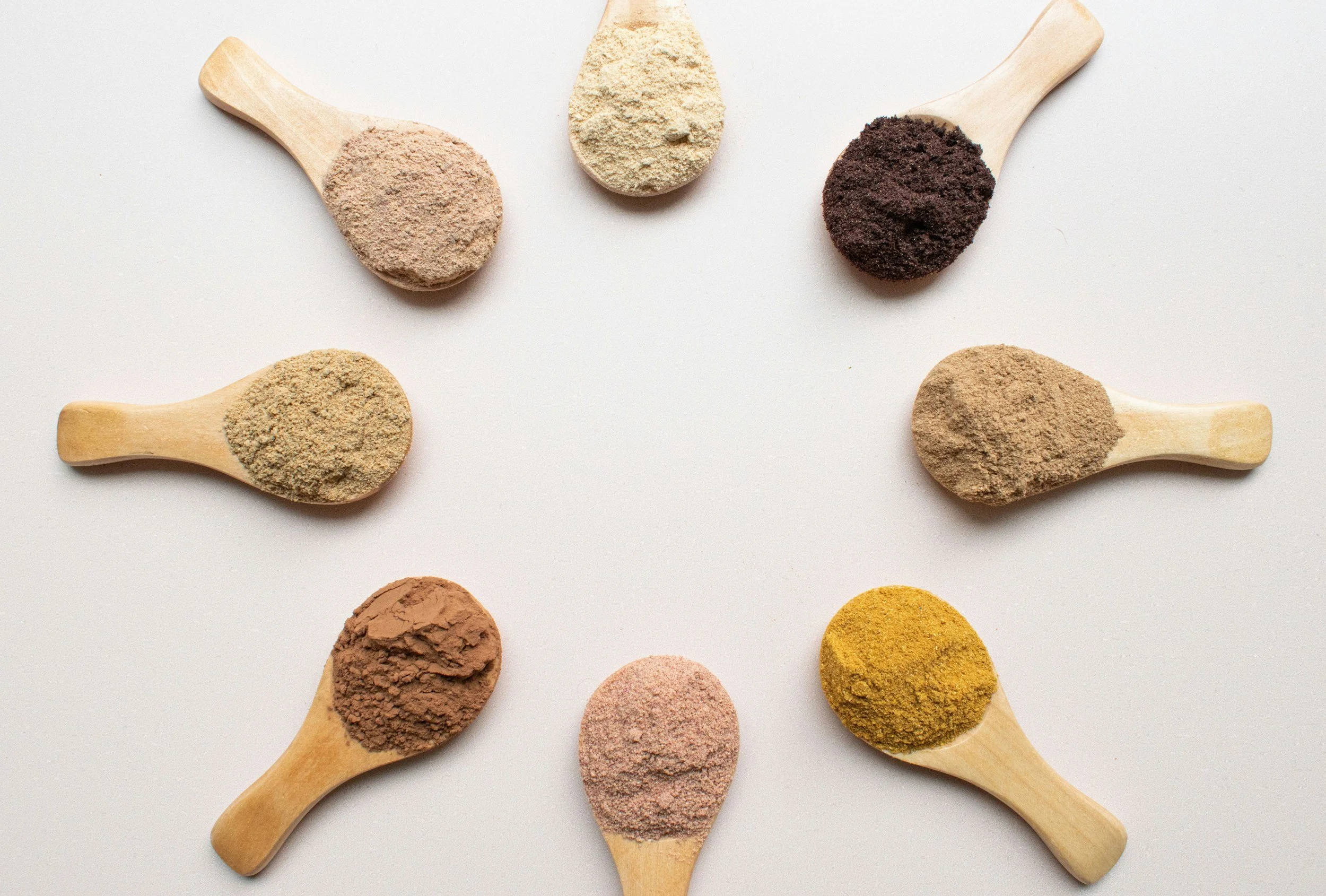
In recent years, protein has emerged as a buzzword within the wellness industry. From protein powders to high-protein snacks, the market is flooded with products promising improved health and fitness. But why has protein taken center stage, and how can you ensure you're getting enough through natural sources without relying on supplements?
Why Protein Matters
Muscle Maintenance and Growth: Protein is the primary building block of muscles. An adequate intake supports muscle repair and growth following physical activity. This is especially critical for individuals engaged in strength training or any form of exercise.
Weight Management: Protein has a high satiety factor, meaning it keeps you feeling full longer, which can help prevent overeating. Diets rich in protein can support weight loss by promoting a healthy metabolism and reducing appetite.
Immune Function: Antibodies, which help defend against pathogens, are proteins. Adequate protein intake is necessary for maintaining a robust immune system to fend off illnesses.
Hormonal Balance: Proteins contribute to the production of various hormones that regulate your body. Insufficient protein can lead to hormonal imbalances, affecting several bodily functions.
Ensuring Adequate Protein Intake
To ensure you are getting enough protein, start by assessing your daily requirements. According to the American Heart Association, the recommended dietary allowance (RDA) for protein is 0.8 grams per kilogram of body weight per day for adults aged 18 and older. This translates to approximately 0.36 grams per pound of body weight per day. For example, someone weighing 150 pounds would need about 54 grams of protein per day. However, individual needs may vary depending on age, activity level, and specific health goals.
Track Your Intake: Keeping a food diary can help you monitor your protein consumption. There are various apps available that can help track your macronutrients easily.
Incorporate a Variety of Sources: Include different protein sources in your diet, such as animal-based (meat, fish, dairy) and plant-based (legumes, nuts, seeds, whole grains) options. This variety not only caters to different dietary preferences but also provides a range of amino acids.
Choose Whole Foods: Focus on whole, minimally processed foods, which are often richer in nutrients, including protein.
Simple Ways to Increase Protein Intake Without Supplements
Breakfast Revamp: Start your day with a protein-rich breakfast by opting for eggs, Greek yogurt, or cottage cheese. You can add nuts or seeds to oatmeal, yogurt, and salads for an extra boost.
Snack Wisely: Replace traditional snacks with protein-packed alternatives. Greek yogurt, edamame, or homemade protein bars can serve as healthy mid-day options.
Add Legumes: Incorporate beans, lentils, and chickpeas into salads, soups, or stews. They are an excellent plant-based protein source and versatile ingredients in various dishes.
Top Your Meals: Add seeds, nuts, or a dollop of nut butter to your meals. They add texture and enhance the protein content of smoothies, salads, and desserts.
Meat and Veggie Combo: When preparing meals, combine lean meats with vegetables to create balanced dishes. Stir-fries, wraps, or grain bowls can benefit from this combo.
Dairy Products: Include low-fat cheeses, kefir, or milk. These can be consumed as snacks or added to meals for a protein punch.
How do I know if I’m eating too much protein?
Determining if you are consuming too much protein involves monitoring several indicators related to your overall health and bodily functions. Here are some signs:
Physical Symptoms
Digestive Issues: Excessive protein intake can lead to digestive problems such as constipation, diarrhea, or bloating, as high-protein diets often lack adequate fiber.
Unusual Fatigue: Consuming too much protein can strain your kidneys, leading to fatigue or a general feeling of malaise.
Bad Breath: A diet high in protein, particularly animal sources, may result in a condition called “ketosis,” which can give your breath a distinct, unpleasant odor.
Increased Thirst: High protein intake can lead to dehydration, as your body requires more water to eliminate the byproducts of protein metabolism.
Nutritional Balance
Lack of Variety: If your meals consist primarily of protein with little inclusion of carbohydrates and fats, you may not be getting a balanced diet, which is crucial for overall health.
Imbalanced Macronutrients: The general guideline is that protein should make up about 10-35% of your daily caloric intake. Exceeding this range significantly may be a sign of excessive protein consumption.
Weight Changes
Unintended Weight Gain: Overeating protein can contribute to weight gain, especially if it comes from sources high in fats and calories. This may alter your energy balance.
Difficulty Losing Weight: Some individuals find that a high-protein diet can stall weight loss efforts, particularly if the protein sources are calorie-dense.
Blood Health Indicators
Kidney Function Tests: High protein intake can impact kidney function, leading to elevated levels of urea in the blood. Regular check-ups can help monitor kidney health.
Recommendations
To avoid excessive protein intake, consider your dietary needs based on factors like age, sex, physical activity level, and overall health. If unsure, consult a healthcare professional or a registered dietitian to evaluate your protein needs and adjust your diet accordingly.
Personalized Nutrition Guidance
While general recommendations can be helpful, understanding your individual protein requirements can be complex. Factors such as age, activity level, and personal health goals all play a role in determining how much protein is right for you. This is where a holistic nutritionist can offer invaluable support.
By scheduling an appointment with a holistic nutritionist, you can receive tailored advice suited to your unique lifestyle. They can assess your dietary habits, help you formulate a balanced meal plan, and ensure you’re meeting your protein needs effectively. Personalized care not only enhances your nutritional knowledge but also empowers you on your wellness journey.
Investing in your health is an important step towards achieving your goals. Choosing to work with a holistic nutritionist provides the support you need to thrive. Embrace the power of protein in your diet, but remember: individualized guidance can make all the difference in your overall well-being. Take the first step today. Book an appointment with a holistic nutritionist and unlock your full potential.