Preconception Nutrition: What to Eat Before Pregnancy for a Healthy Conception
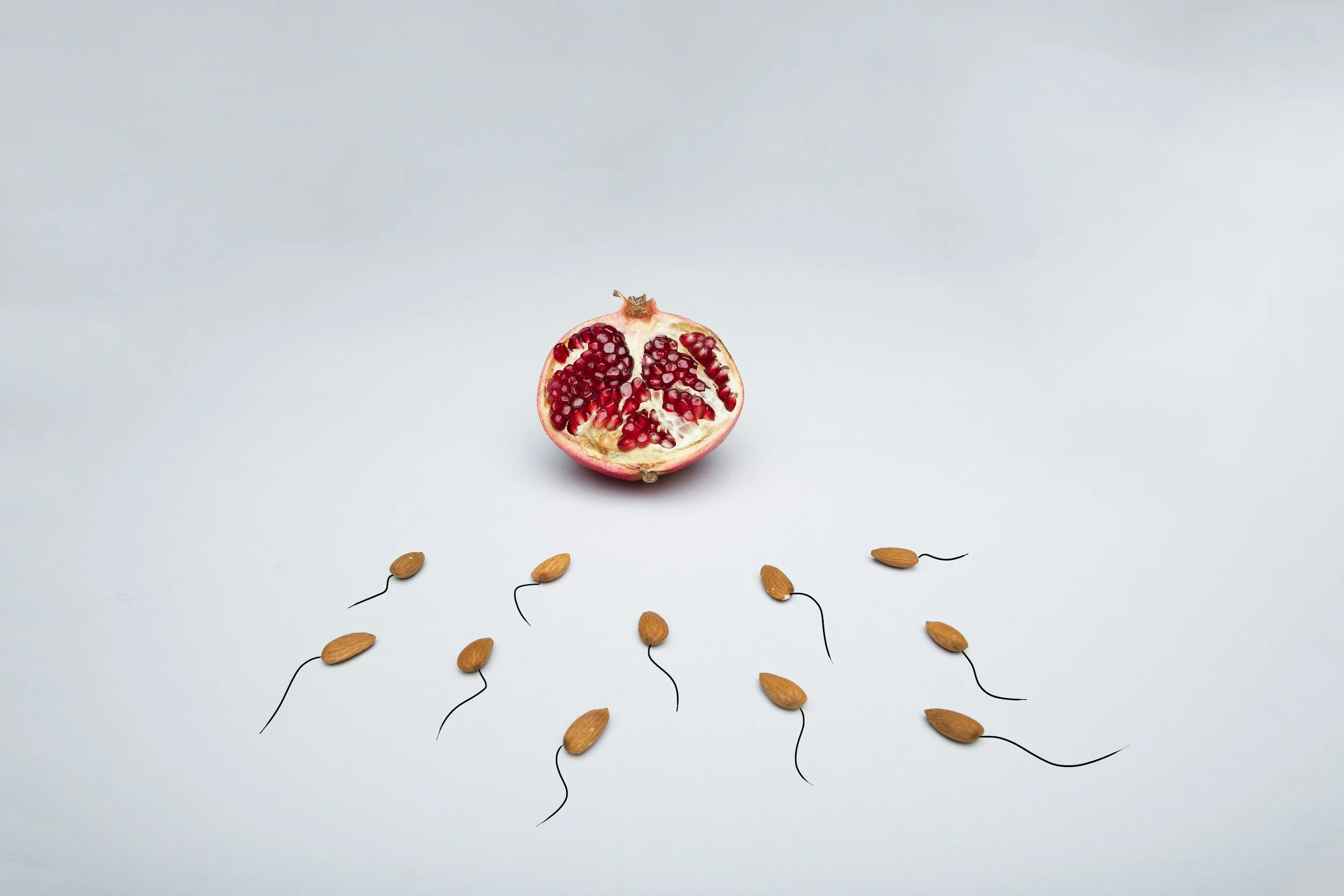
If you’re thinking about trying for a baby in the next few months, one of the most powerful things you can do is focus on preconception nutrition. While prenatal vitamins are important, they are only one piece of the puzzle. The foods you eat before pregnancy help build nutrient stores, support hormone balance, improve egg and sperm quality, and create the healthiest possible environment for conception and a growing baby.
Whether you’re planning to conceive next month or within the next year, optimizing your nutrition now can make a meaningful difference.
Why Preconception Nutrition Matters
Many people don’t realize that a baby’s development begins before you even see a positive pregnancy test. During the first few weeks of pregnancy, major organs begin forming, often before someone knows they’re pregnant.
Starting healthy habits before conception can help:
Support healthy ovulation
Improve egg quality
Promote healthy sperm development
Build nutrient reserves
Reduce the risk of nutrient deficiencies during pregnancy
Support healthy fetal development from day one
Experts generally recommend beginning preconception care at least 3-6 months before trying to conceive.
The Most Important Nutrients for Preconception
Folate
Folate is one of the best-known nutrients for pregnancy, and for good reason. It plays an essential role in DNA synthesis and helps reduce the risk of neural tube defects.
Food sources include:
Dark leafy greens
Lentils
Black beans
Avocados
Asparagus
Citrus fruits
Most healthcare providers also recommend a prenatal vitamin containing 400-800 mcg of folate or folic acid before conception.
Choline
Choline often doesn’t receive as much attention as folate, but it’s equally important for fetal brain development.
Good food sources include:
Egg yolks
Beef liver
Chicken
Salmon
Soybeans
Many prenatal vitamins do not contain enough choline, making food sources especially valuable.
Iron
Iron supports healthy oxygen transport and helps prepare your body for the increased blood volume that occurs during pregnancy.
Iron-rich foods include:
Lean red meat
Grass-fed beef
Chicken thighs
Lentils
Spinach
Pumpkin seeds
Pair plant-based iron sources with vitamin C-rich foods to improve absorption.
Omega-3 Fatty Acids
Omega-3 fats, particularly DHA, support hormone production, healthy inflammation, and fetal brain and eye development.
Include foods such as:
Wild salmon
Sardines
Trout
Anchovies
Walnuts
Chia seeds
Flaxseeds
Aim for low-mercury fish 2-3 times per week.
Vitamin D
Vitamin D supports fertility, immune health, hormone regulation, and healthy pregnancy outcomes.
Sources include:
Fatty fish
Egg yolks
Fortified dairy or plant milk
Safe sun exposure
Many adults benefit from having their vitamin D levels tested before pregnancy.
Iodine
Iodine supports thyroid function, which plays a major role in fertility and fetal brain development.
Food sources include:
Seafood
Dairy products
Eggs
Iodized salt
Zinc
Zinc supports both male and female fertility by contributing to hormone production and reproductive health.
Good sources include:
Beef
Oysters
Pumpkin seeds
Chickpeas
Cashews
Build a Fertility-Friendly Plate
Instead of focusing on perfection, aim to consistently build balanced meals.
A simple template includes:
Half your plate with colorful vegetables
One-quarter lean protein
One-quarter fiber-rich carbohydrates
Healthy fats with every meal
Examples include:
Grilled salmon with roasted vegetables and quinoa
Chicken, sweet potato, and sautéed broccoli
Greek yogurt with berries, walnuts, and chia seeds
Eggs with avocado and sourdough toast
Foods That Support Fertility Naturally
Certain foods have been associated with improved fertility and hormone health.
Include more:
Colorful fruits and vegetables
Berries
Olive oil
Avocados
Beans and lentils
Whole grains
Nuts and seeds
Eggs
Fatty fish
Fermented foods like yogurt and kefir
These foods provide antioxidants that help protect egg and sperm cells from oxidative stress.
Lifestyle Habits That Complement Good Nutrition
Nutrition works best alongside healthy lifestyle habits.
Prioritize:
7-9 hours of quality sleep
Regular movement
Adequate hydration
Maintaining a healthy body weight
Limiting alcohol
Avoiding smoking and vaping
Small, consistent habits often have a greater impact than drastic changes.
Should Both Partners Improve Their Nutrition?
Absolutely.
While much of the conversation centers around women, male fertility contributes to nearly half of infertility cases. Sperm quality is influenced by nutrition, sleep, stress, alcohol, smoking, exercise, and environmental exposures.
Men trying to conceive should also prioritize:
Adequate protein
Zinc-rich foods
Selenium
Vitamin C
Omega-3 fats
Antioxidant-rich fruits and vegetables
Healthy sperm take approximately 70-90 days to develop, making nutrition in the months before conception especially important.
Common Preconception Nutrition Mistakes
Many people unintentionally overlook important aspects of fertility nutrition.
Common mistakes include:
Waiting until pregnancy to start a prenatal vitamin
Following overly restrictive diets
Skipping meals
Eating too little protein
Not getting enough healthy fats
Ignoring iron or vitamin D deficiencies
Excessive alcohol intake
Consuming large amounts of ultra-processed foods
The goal isn’t perfection—it’s creating consistent habits that nourish your body.
Frequently Asked Questions
When should I start eating healthy before pregnancy?
Ideally, begin improving your nutrition at least three to six months before trying to conceive. This allows time to build nutrient stores and support healthy egg and sperm development.
Do I need a prenatal vitamin before pregnancy?
Most healthcare providers recommend starting a prenatal vitamin before conception, especially one containing folate. However, supplements should complement—not replace—a nutrient-rich diet.
Can diet improve fertility?
Nutrition is one of many factors that influence fertility. While diet cannot treat every cause of infertility, a balanced eating pattern supports hormone production, egg quality, sperm health, and overall reproductive wellness.
Is there a fertility diet?
Rather than one specific fertility diet, research supports eating patterns rich in whole foods, vegetables, fruits, lean proteins, healthy fats, legumes, whole grains, and omega-3 fatty acids while minimizing ultra-processed foods.
Ready to Prepare Your Body for Pregnancy?
Every fertility journey is unique, and there isn’t a one-size-fits-all approach to preconception nutrition. Preparing for pregnancy is about much more than taking a prenatal vitamin. If you’re planning to conceive and want personalized guidance, I’d love to help. At The Holistic Bee, I work with women to identify nutrient gaps, support hormone balance, and create realistic nutrition and lifestyle strategies that fit their lives and fertility goals. Whether you’re just beginning to think about pregnancy or have been trying to conceive, investing in your health now can make a meaningful difference. Schedule a consultation today, and let’s build a personalized plan to help you feel confident, nourished, and prepared for the journey ahead.
Disclaimer: This content is intended for informational purposes only and is not a substitute for professional medical advice, diagnosis, or treatment. Always seek the advice of your physician or other qualified health provider with any questions you may have regarding a medical condition.